
Origins — Mesopotamia (Babylon)

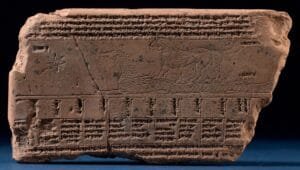
Astrology begins with Mesopotamian “astral omens”: temple scholars recorded planetary and lunar events on clay tablets and linked them to earthly events. Over centuries (c. 3rd → 1st millennium BCE) these observations became the zodiacal system used in later Western astrology.
(See the Babylonian astrological tablet image above — an example of those clay records.)
Hellenistic synthesis — Greece & Alexandria
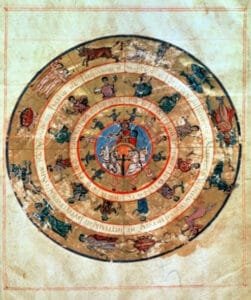
In the Hellenistic period the Babylonian omen tradition mixed with Egyptian and Greek thought. Astrologers began casting natal horoscopes (charts for the moment of birth). Claudius Ptolemy (2nd century CE) wrote the influential Tetrabiblos, which systematized astrological doctrine for later generations.
Transmission and transformation — Islamic world

From late antiquity into the medieval period, Greek astrological texts were translated into Syriac and Arabic. Islamic scholars preserved, critiqued and expanded astrological/astronomical knowledge (e.g., al-Bīrūnī and other polymaths). Many Arabic commentaries later reintroduced this material to Europe.
Medieval & Renaissance Europe
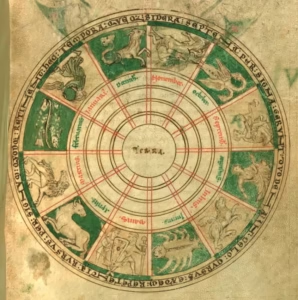
Medieval manuscripts fused astrology with medicine, agriculture and court politics; by the Renaissance astrology still played roles in educated life even as modern science emerged. Surviving illuminated manuscripts and zodiac wheels show how astrology was taught and used.
Independent Asian traditions — China (and others)
China developed a distinct astrological system centered on a 12-year animal cycle (the Chinese zodiac), lunar-solar calendars, and different techniques for casting fortunes — independent in origin though sometimes exchanging ideas across trade routes.
For personalized guidance, consult our Astrologer in Oman for detailed Kundli analysis.